High on Kyoto’s forested slopes, where cedar-scented breezes hush the city to a distant whisper, Aman Kyoto’s Hilltop Villas invite you to inhabit a world of elegant stillness. Here, architecture isn’t merely built; it’s choreographed—shadow and light rehearsing across washi-lined walls, timber beams framing living screens of moss and maple. The promise of “boutique bliss” comes alive in the balance: minimalist lines that feel human, textures that soften the day, and service that anticipates, then gracefully disappears. You don’t visit these villas to add more; you come to subtract—noise, speed, mental clutter—until what’s left is clarity, tea-warmth, and the gentle choreography of Japanese time.
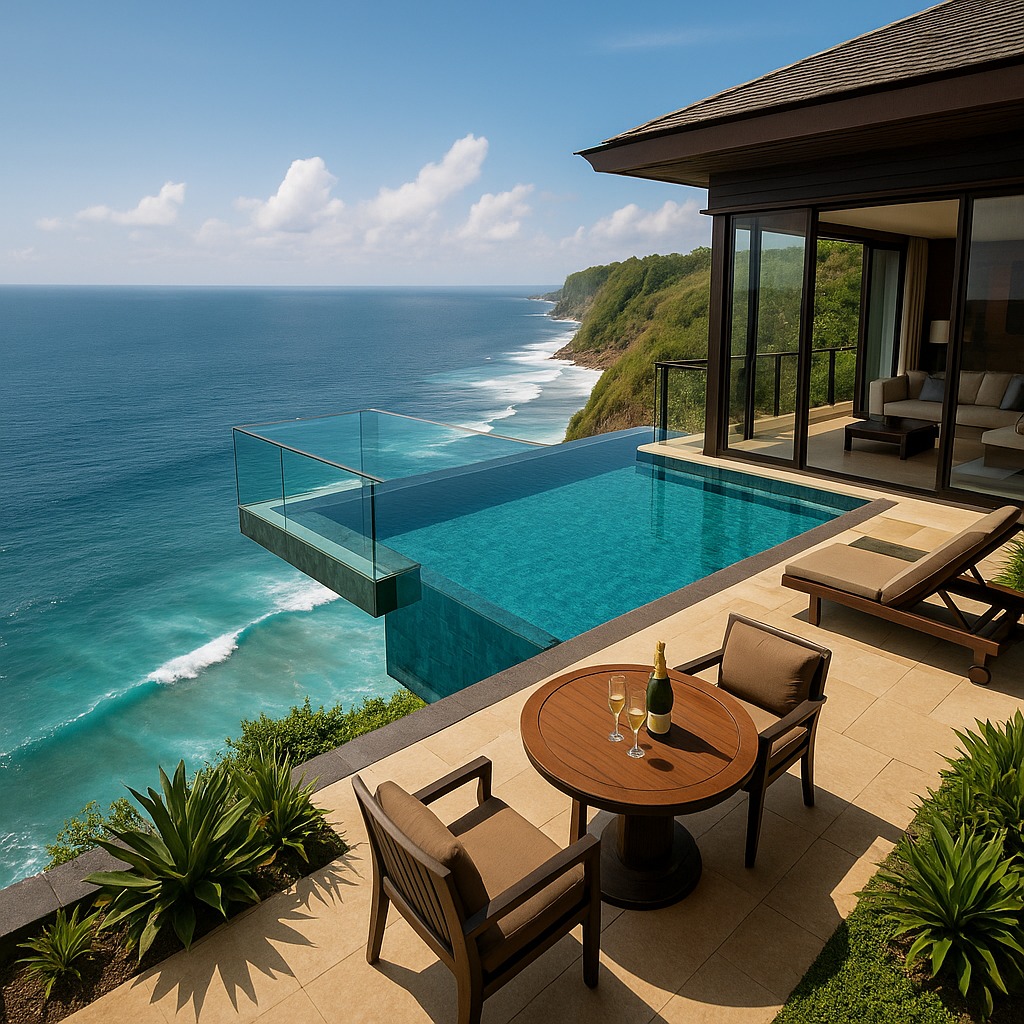
A Hillside Sanctuary Wrapped in Nature
Approached by stone paths that curl through lantern-lit gardens, the Hilltop Villas feel less like rooms and more like private pavilions in a hidden grove. Floor-to-ceiling windows pull the forest close, composing living art out of dew on moss and drifting leaves. Interiors blend pale woods, natural stone, and papered panels, creating a palette of forest neutrals that settles the mind within minutes. The silence is rich here: birdsong at dawn, the soft percussion of rain on leaves, the almost monastic calm that invites a deep, restorative breath. Step onto your terrace at dusk and watch the mountains dissolve into indigo; the city remains, but your world has narrowed to the luxury of now.
Tatami-Calm Suites with Framed Garden Vistas
Inside, each space is a meditation on proportion and restraint. Tatami-style textures underfoot, low-slung furniture that keeps your eye level with the garden, deep lounges and reading nooks designed for lingering. Shoji-inspired panels diffuse light like silk; at night, they glow softly, turning rooms into lanterns in the trees. The bed—crisp, cloud-light, perfectly weighted—sits where morning light arrives first, ensuring you wake not to alarms but to the forest’s gentle reveal. In the bath, stone, timber, and deep-soaking tubs create a private spa ritual, while amenities whisper rather than shout—sandalwood, hinoki, and herbals that echo the hillside outside your window.
Seasonal Cuisine, Tea Rituals, and Quiet Pleasures
Dining follows Kyoto’s seasons with reverence. Expect refined kaiseki-style courses that unfold like a narrative—clear broths, immaculate sashimi, mountain vegetables, and wagyu grilled so precisely it feels orchestral. Breakfast might be an artisan bento with seasonal pickles and perfectly steamed rice; afternoons are made for tea in the garden or a quiet sake tasting that pairs terroir with time of day. Between meals, follow stone paths to a pavilion for a private tea ceremony, or let a therapist weave in shiatsu-inspired techniques that melt travel from your shoulders. Every pleasure is quiet here, a series of thoughtful gestures that add up to profound ease.
Culture at the Doorstep, Serenity on Return
From this hilltop perch, iconic temples and artisans’ studios are within easy reach—golden pavilions, moss gardens, lacquerware workshops, indigo dyers, knife makers. Venture out for a morning of discovery, then return to the hush of the villas as the light turns amber. Perhaps you’ll book a twilight walk with a local guide, learning how seasons script the rituals of Kyoto life. Back home, slip into your robe, open the terrace doors, and listen: the trees, the wind, the small rustle that says you’re exactly where you should be.
Q&A + Travel Companion Recommendations
Q: Who is this experience perfect for?
A: Discerning travelers seeking restorative calm, refined design, and intimate service. It’s ideal for couples, solo aesthetes, and culture lovers who want Kyoto’s beauty without the bustle.
Q: What’s the best time to visit?
A: Spring (cherry blossoms) and autumn (fiery maples) are transcendent, while winter offers crystalline skies and contemplative quiet. Summer brings lush green canopies and evening breezes.
Q: How long should I stay?
A: Two nights slow you down; three to four nights let the property’s rhythms rewrite yours—time enough for temples, tea, and unhurried spa rituals.
Q: Alternatives with a similar mood?
A: For countryside serenity with onsen-focused wellness, consider Amanemu (Ise-Shima). If you prefer riverside romance and boat-access tranquillity, HOSHINOYA Kyoto is a dream. For urban elegance with a poetic edge, Park Hyatt Kyoto and The Ritz-Carlton, Kyoto offer refined city sanctuaries.
Conclusion: The Luxury of Quiet Mastery
“Boutique bliss” at Aman Kyoto Hilltop Villas is not a superlative—it’s a practice. The villas teach you to notice: the angle of afternoon light, the silk of steam rising from a stone bath, the way cedar breath lingers in cool air. This is exclusivity defined by space and stillness, by the rare privilege of moving through a day without friction. You’ll leave with a softer voice, a slower stride, and a private catalog of quiet moments that feel, in retrospect, like pearls on a silk thread. In Kyoto’s high hush, luxury is mastery—of craft, of season, and of the art of doing beautifully, deliberately, less.